
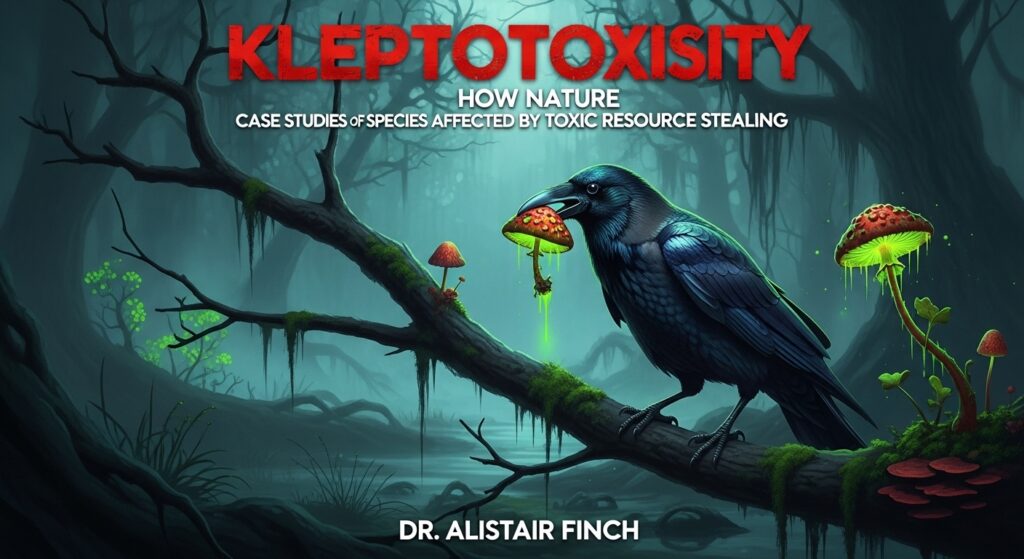
Nature has a way of surprising us with its intricate relationships and complex behaviors. Among these fascinating interactions lies the concept of kleptotoxicity, where resource stealing takes a toxic turn. Imagine an animal pilfering from another species, not just for survival but also inadvertently introducing toxins into their environment. This phenomenon can have devastating effects on ecosystems and species alike.
As we delve deeper into kleptotoxicity, we’ll uncover how some animals exploit resources in ways that alter their own biology and impact those around them. From songbirds to fish and even insects, the ripple effects of toxic resource stealing reveal a darker side of nature’s balance. Join us as we explore intriguing case studies that highlight the consequences of this behavior and discover how it shapes our ecosystems.
Explanation of Resource Stealing in Nature
Resource stealing is a fascinating survival strategy observed across various species in nature. It involves one organism taking advantage of another’s hard-earned resources, whether food, nesting sites, or even offspring. In the wild, competition for these resources can be fierce. Some animals have evolved specific behaviors to exploit this competition. They do not just grab what’s available; they often engage in complex interactions that involve observation and timing.
For instance, many birds may sneak into other nests to pilfer eggs or chicks. This behavior ensures their own survival while directly impacting the reproductive success of others. Similarly, fish such as cleaner wrasses exhibit kleptoparasitic tendencies by stealing parasites from larger fish, emphasizing a delicate balance between cooperation and theft within ecosystems.
These dynamics highlight how resource stealing shapes relationships among species and influences population levels throughout habitats. The intricate web of life continues to reveal its secrets through such captivating interactions.
Case Study 1: The Impact of Brood Parasitism on Songbirds
Brood parasitism is a fascinating yet troubling behavior observed in various bird species. It occurs when one bird lays its eggs in the nest of another, leaving the unsuspecting host to raise its young. This strategy can be particularly detrimental to songbirds. Species like the common cuckoo exemplify this phenomenon. The female cuckoo cleverly mimics the appearance of host eggs, increasing her chances of success. Once hatched, these chicks often push out or starve their adoptive siblings.
The implications for songbird populations are dire. Reduced reproductive success among hosts leads to declining numbers over time. As fewer adult birds survive to breed, entire ecosystems may become unbalanced due to shifts in food webs and predator-prey dynamics. Kleptotoxicity plays a role here too; by stealing resources from other species without contributing back, brood parasites disrupt natural relationships critical for ecological stability.
Case Study 2: Effects of Kleptoparasitism on Fish Species
Kleptoparasitism is not just a terrestrial phenomenon; it thrives in aquatic environments as well. Certain fish species exhibit fascinating behaviors related to stealing resources from others. This form of resource theft often revolves around food. For instance, larger predatory fish may target smaller prey that have already caught their meals. They approach stealthily and snatch the hard-earned catch right out of their mouths. This tactic demands skill and precision, showcasing an intriguing aspect of predator-prey dynamics.
Moreover, some fish engage in more subtle forms of kleptoparasitism by mimicking juvenile or injured individuals to gain access to feeding opportunities. Such behavior raises questions about the adaptability and intelligence within various species. These interactions can have ripple effects on population dynamics and food web structures within marine ecosystems. The balance between predators and prey shifts, highlighting the complexity of life underwater while illustrating nature’s relentless quest for survival.
Case Study 3: Toxic Resource Stealing Among Insects
In the intricate world of insects, kleptotoxicity manifests in surprising ways. Some species engage in stealing toxic resources from plants or other organisms, using them for their benefit.
Take the case of certain caterpillars that consume poisonous leaves. These caterpillars incorporate toxins into their own bodies, providing a defense mechanism against predators. The vibrant colors they display serve as a warning to potential threats.
Ants also exhibit fascinating behavior linked to toxic resource stealing. They harvest honeydew from aphids and may even consume plants laden with harmful chemicals. This risky diet can lead to both advantages and dangers within their colonies.
Interestingly, some beetles have adapted by feeding on toxic fungi or plants. By doing so, they gain resistance to these same toxins and can thrive in challenging environments where others falter.
This complex web of interactions showcases nature’s ingenuity in survival strategies among insects while highlighting the delicate balance of ecosystems affected by kleptotoxicity.
How Kleptotoxicity Affects Ecosystems
Kleptotoxicity can ripple through ecosystems, altering food webs and species interactions. When one organism steals toxic resources from another, it doesn’t just harm the victim; it impacts predators and competitors too.
For instance, if a bird consumes parasitized eggs laden with toxins, its ability to hunt or reproduce may decline. This decline affects population dynamics within its habitat.
Additionally, kleptotoxic behaviors can create imbalances in nutrient cycling. A predator that preys on contaminated prey might introduce toxins into its environment over time.
Moreover, such actions disrupt evolutionary paths. Species may evolve defenses against toxin-stealing tactics rather than focusing on other survival strategies.
In complex ecosystems where every interaction counts, these shifts can lead to unexpected consequences—reducing biodiversity and resilience among populations struggling to adapt. Each case of kleptotoxicity adds another layer of complexity to ecological relationships.
Solutions and Mitigation Techniques
Addressing kleptotoxicity requires a multifaceted approach. One effective method is habitat restoration. By enhancing environments, we can support the resilience of native species against toxic resource stealing.
Education plays a crucial role as well. Raising awareness among communities about the impacts of resource theft helps create informed citizenry ready to protect their local ecosystems.
Implementing stricter regulations on fishing and wildlife management can also mitigate risks. Establishing protected areas allows vulnerable species to thrive without interference from those adopting harmful stealing behaviors.
Engaging in research is vital too. Understanding specific interactions between species provides insight into how kleptotoxicity operates in different contexts.
Fostering community involvement encourages collective action towards sustainability initiatives, ensuring that ecosystems remain healthy for generations to come.
Conclusion
Kleptotoxicity reveals a fascinating yet troubling aspect of nature. The intricate relationships between species and the act of stealing resources can have significant consequences. As we’ve explored through various case studies, from songbirds affected by brood parasitism to fish impacted by kleptoparasitism, the ripple effects on ecosystems are profound.
The toxic resource-stealing behavior among insects adds another layer to this complex web of interactions. These dynamics not only challenge our understanding of ecological balance but also highlight the importance of biodiversity in maintaining healthy environments.
Addressing kleptotoxicity requires awareness and strategic intervention. Educating communities about these issues is vital for promoting conservation efforts. By protecting vulnerable species and their habitats, we can help mitigate some impacts caused by these toxic interactions.
As researchers continue to delve into this phenomenon, it becomes increasingly clear that understanding kleptotoxicity is crucial for preserving our planet’s delicate ecosystems. Our actions today will determine how well these systems endure tomorrow’s challenges.